Full-Frame vs. Insert Window Replacement
The installation method decides how much of the old window stays in place. The right choice starts with the condition of the frame and the wall around it.
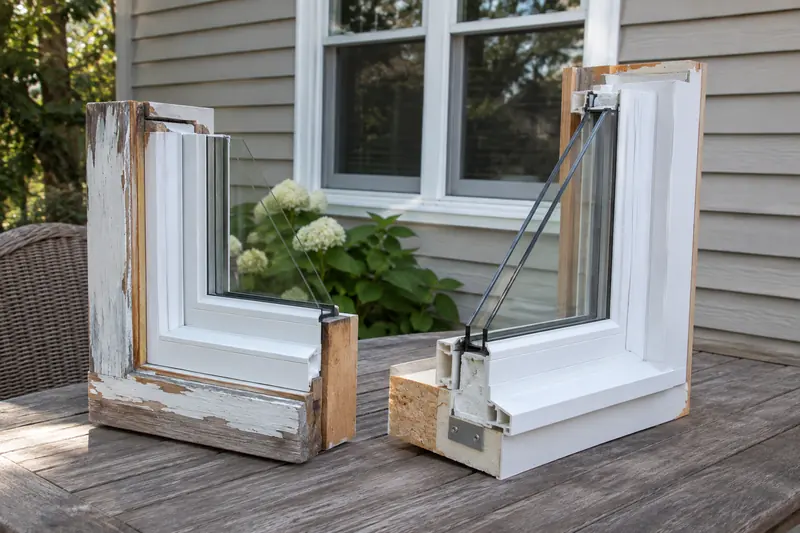
What an insert replacement keeps
An insert window fits within a retained main frame. The old moving parts are removed, while suitable existing frame parts stay. This approach needs a sound opening that can accept the new unit. It is not a way to cover up damage that should be repaired.
What full-frame replacement changes
Full-frame work removes the old window frame as part of the replacement. It gives more access to the opening and can involve inside and outside trim. Ask exactly what will be removed, since the wall and the existing window affect the method used.
Frame condition comes first
The assessment should look for damaged wood, poor fit, movement, and signs that water has reached the opening. It should also check how square and level the frame is. Those findings help explain which method is reasonable for the property.
Look at the view as well as the frame
Ask how the proposed product will affect the visible glass area and the width of the frame. An insert adds a new unit within an existing frame, so the finished appearance may differ from full-frame work. Compare actual product details rather than guessing from a general photo.
Include water protection in either plan
The details around a window matter whichever method is chosen. Ask how the opening will be supported, sealed, and kept able to shed water. The plan should fit the wall rather than treating sealant as the answer to every gap.
Make trim and finish work clear
Full-frame work can disturb more trim, while an insert may keep more existing finish in place. Neither description tells you every item included. Ask about the sill, inside casing, outside edges, painting, and any repair needed after removal.
Choose from the findings, not the label
Ask the person reviewing the opening to explain the recommended method in plain language. Keep the reasons with the written estimate. Call (815) 552-1088 to discuss the condition of your windows and which questions should be answered before you choose.
- Which existing frame parts would stay?
- What condition was found in the frame and nearby wall?
- How would the new unit affect glass area and appearance?
- Which trim and finish items are included?
- How will water protection and sealing be handled?
- What is the process if removal reveals more damage?